
Building Orena’s product film
A 75-second product film built with Claude Design, Seedance 2.5, ElevenLabs, and a lot of specific revisions.
 Sonny PatelLiveOctober 7, 2026
In an early version of Orena’s product film, a woman tapped a button on a tablet. The tablet tipped back slightly. The interface stayed where it was.
It was a small movement, but it made the whole shot feel wrong. Fixing it meant tracking the screen on every frame, keeping her fingers in front of the interface, and timing the button response to the moment she actually touched it. The footage, product animation, and sound all had to agree about what was happening.
Orena offers an at-home cognitive assessment, clinician review, and a follow-up conversation with a neurologist. I wanted the film to make that experience easy to picture: you can do this from home, and someone will help you understand what comes next.
Story first, footage later
I worked with Astra on the concept and parts of the script. An early direction felt too gloomy and sentimental, so I moved toward a more contemporary healthcare feel: capable older adults, bright everyday settings, precise product animation, and an electronic score. The concept settled around “A clearer picture. A next step.”
My six-part brief followed one woman from everyday life into the assessment, through reviewed results and a neurologist conversation, then back out into her day. Claude Design built the film as an HTML composition with a timeline, handling layout, interface animation, compositing, captions, and audio sync.
We built the full timeline before any footage existed. Every shot began as a labeled placeholder with a duration and a job to do, so I could review pacing, captions, and the product sequence early. I then generated the lifestyle footage shot by shot with Seedance 2.5, with some clips from MiniMax, and replaced placeholders one at a time.
Putting the real interface on a generated tablet
The generated footage used a blank grey screen. The product interface was built separately to represent the Orena experience, then placed onto that screen. Keeping it separate gave us control over the text, interactions, and future updates.
The screen’s four corners were tracked on every frame, and the interface was warped to match their perspective. Generated footage can subtly change an object’s shape, so the tracking had to follow those shifts too. Where it caught the wrong edge or followed her hand, the affected stretches were corrected.
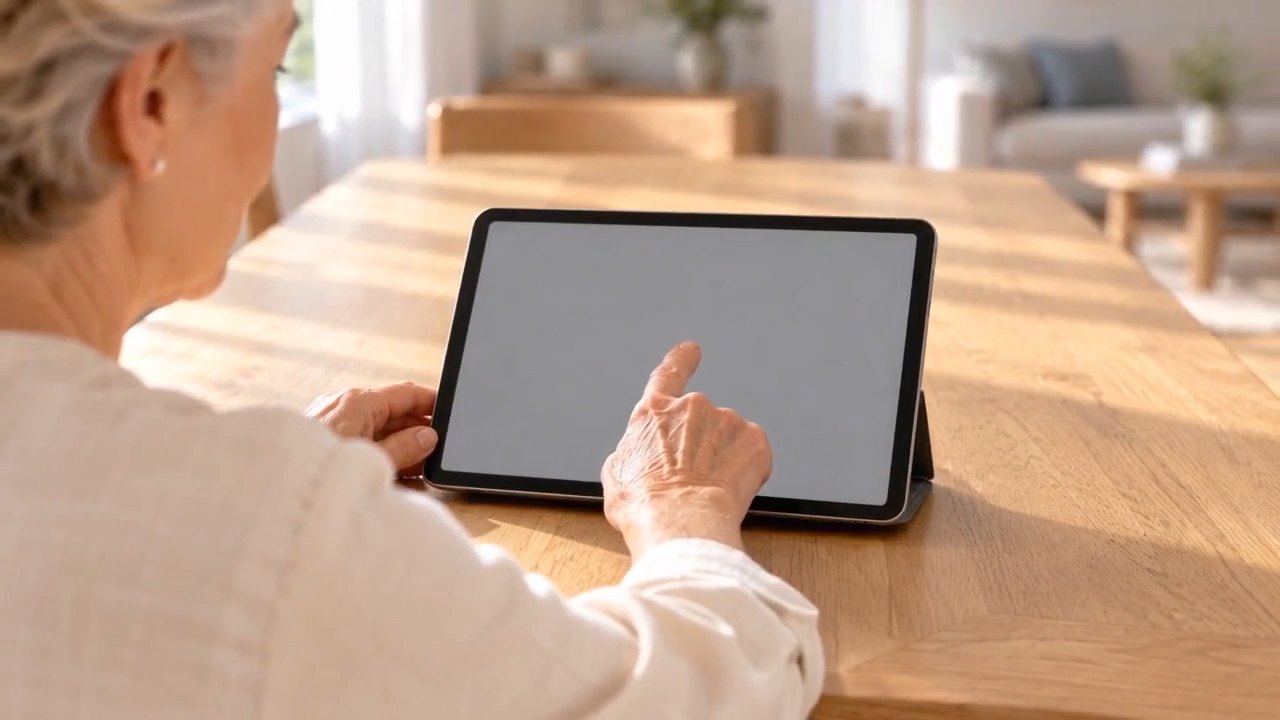
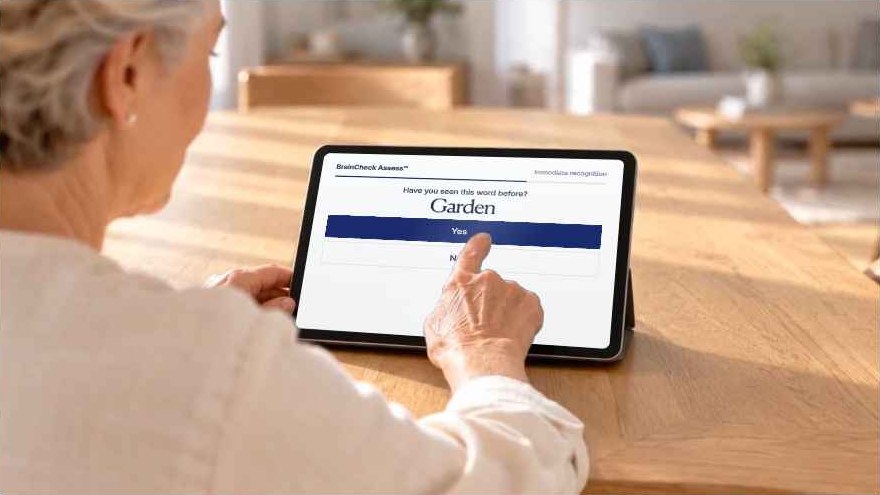
Her fingers needed their own treatment. A mask kept the hand in front of the interface, with the edges cleaned up to remove a faint grey fringe. The buttons sit under the fingertip’s actual landing position, and the interface responds on the press. The same approach carried into a close-up of an assessment task.
Showing that care takes time
A smooth edit could easily make an assessment, a reviewed report, and a consultation feel immediate. I added a clear “a few days later” moment between completing the assessment and receiving the report. The review and report-ready states appear in order, giving the passage of time a place in the story.
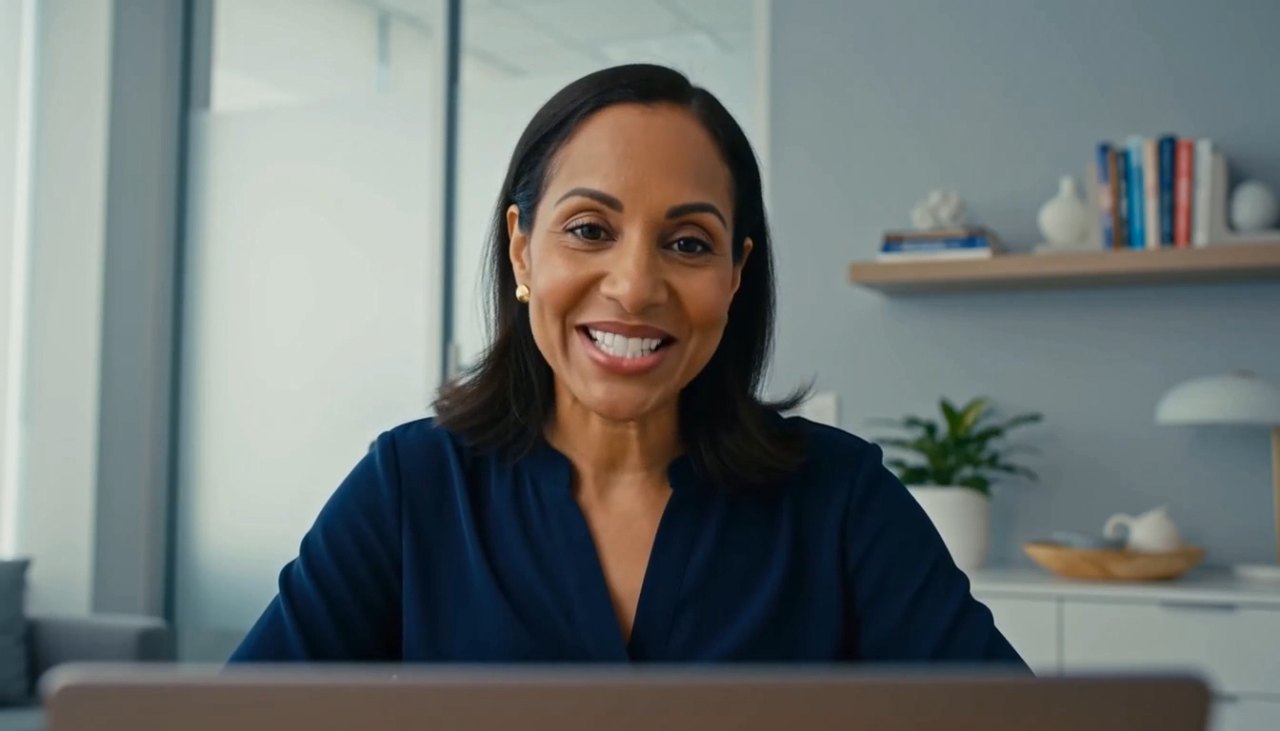
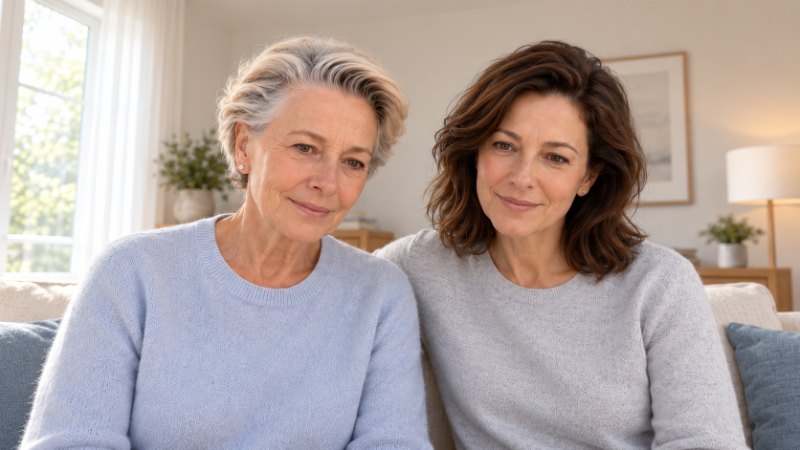
The call scene composed a generated neurologist and a mother and daughter into a video-call layout. We kept the dialogue generated with those clips so the voices matched the visible speech, and retimed only the listening portions. Reusing footage in the small window produced silent mouth movements, so I generated dedicated talking and listening clips for it.
Sound and brand
ElevenLabs provided the narrator voice and ten sound effects; Suno supplied the instrumental score. Claude Design placed the cues and mixed the layers, with the music dipping under speech and captions following the actual speech timing. I expanded the narration after the first watch because the original lines left too much of the offer unexplained. The export produced picture separately, so all the audio was combined into one soundtrack for assembly.
I carried Orena’s Atmosphere direction through the composition: warm backgrounds, navy, restrained typography, and soft blue textures. The sunburst logo’s radial shape became the transitions, the progress ring, and the final logo reveal, connecting the film to the website across very different kinds of footage.
Where it stands
Most of my feedback was small and specific: the overlay stops following the tablet; there is a grey edge around her hand; the person in the small window is moving her lips at the wrong time. Each observation gave us a concrete problem to solve.
The film is designed to show what Orena offers: an assessment you can take from home, results reviewed by a clinician, and a clear next step with a neurologist. Pricing and service timelines stay in the surrounding page copy. What I have now is a product story with parts we can keep refining: generated scenes, editable interface animation, narration, and sound.